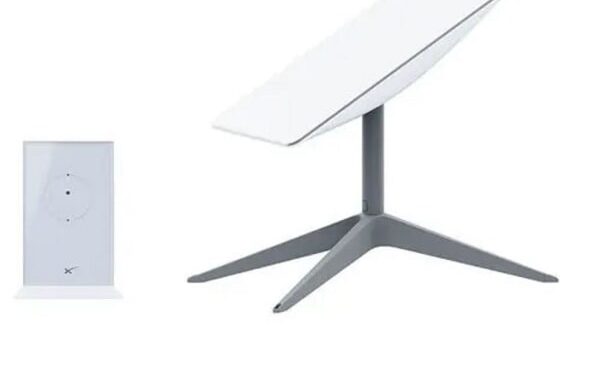
Starlink is a satellite internet service run by SpaceX — Elon Musk’s aerospace company. Instead of using cables like regular ISPs, Starlink connects your home or business to the internet using a constellation of low-Earth-orbit satellites, making it especially useful in places where traditional internet is slow or unreliable.
Starlink Availability in Nigeria
Starlink became officially active in Nigeria in early 2023, one of the first African countries to have the service. It’s intended to offer reliable high-speed internet across urban and rural areas.
However, availability can vary by location — some users report limited activation capacity in highly populated cities like Lagos or Abuja, which sometimes makes it difficult to get the residential plan immediately.
Starlink Price in Nigeria (2026 Overview)
Starlink pricing in Nigeria involves two main cost types:
- Upfront Hardware Cost (one-time)
- Monthly Subscription Fees
Hardware Cost
To use Starlink, you must first buy a Starlink Kit, which includes:
- Satellite dish (“Dishy”)
- Wi-Fi router
- Mounting parts
- Power cable
Current approximate costs in Nigeria:
- Standard Starlink Kit: ₦590,000 – ₦690,000 (official pricing)
- Starlink Mini Kit (smaller, portable): around ₦300,000 – ₦380,000 on the Nigerian market
- Business/High-Performance kits: can cost significantly more (e.g., ₦900,000+ depending on reseller)
Note: Prices can vary due to exchange rates, inflation, and whether you buy directly from Starlink or through a reseller. Some local vendors also charge extra for installation services or quicker delivery.
Monthly Subscription Plans
Starlink offers several tiered plans in Nigeria:
1. Residential Plan
- Approximately ₦57,000 per month for standard home internet.
2. Business / Priority Plan
- Around ₦159,000 per month, designed for offices or heavier usage.
3. Roaming Plans
Starlink sometimes offers mobile or roaming plans:
- Roam Plan — around ₦38,000 per month for users on the move (e.g., travel)
- Higher roaming (global roaming) can cost much more depending on the region and usage.
Historically, Starlink briefly increased prices (e.g., residential jumped to ~₦75,000) due to inflation, but some of these hikes were adjusted after regulatory scrutiny and customer feedback.
How to Buy Starlink in Nigeria
Official Starlink Website
You can order directly at starlink.com/ng — enter your address to see plans and order the kit. Official pricing tends to be more stable and includes warranty support.
Local Retailers / Resellers
Starlink kits are also sold by local tech sellers and online shops in Nigeria (e.g., Jiji, Konga, tech markets). These sellers sometimes charge slightly higher prices, but you may get faster delivery or installation support.
Payment Challenges
In the past, some Nigerians could only order if they had dollar-linked cards, though this has improved with local naira payment options.
Installation and Setup
- Installation is user-friendly — many people self-install by mounting the dish where it has a clear sky view.
- Some local service providers also offer paid installation for those who want professional setup.
- No long-term contracts — you can cancel any time without penalties depending on your plan.
Performance and Speed
Starlink in Nigeria typically delivers:
- Get speeds from roughly 50 Mbps up to 200+ Mbps, depending on signal strength and congestion
- Improved latency compared to traditional satellite internet
- Unlimited data with no monthly caps on most plans
This makes Starlink suitable for:
- Video streaming
- Online gaming
- Remote work
- Rural connectivity
Factors That Affect Price and Availability
1. Exchange Rate & Inflation
As the Nigerian naira fluctuates against the dollar, Starlink hardware prices and subscriptions may change accordingly.
2. Demand & Capacity
In major cities like Lagos and Abuja, high demand can sometimes make new residential activations slow or limited.
3. Import & Shipping Fees
Extra logistics charges may be added by resellers, especially if the kit is imported quickly.
Pros & Cons of Starlink in Nigeria
Pros
- Wide coverage — works in places where regular ISPs can’t
- Relatively fast and stable internet
- No data caps on standard plans
- Easy installation and flexibility
Cons
- Heavy upfront cost
- Monthly fee higher than some local broadband
- Availability issues in congested regions
- Some users report activation delays
Final Thoughts
Starlink represents a major shift in internet access for Nigeria — especially for rural or underserved communities. While the startup costs are relatively high, the speed, reliability, and lack of data caps make it attractive for users who need consistent, high-quality connectivity. As satellite internet technology expands, Starlink may become even more accessible and competitive
Leave a Reply